
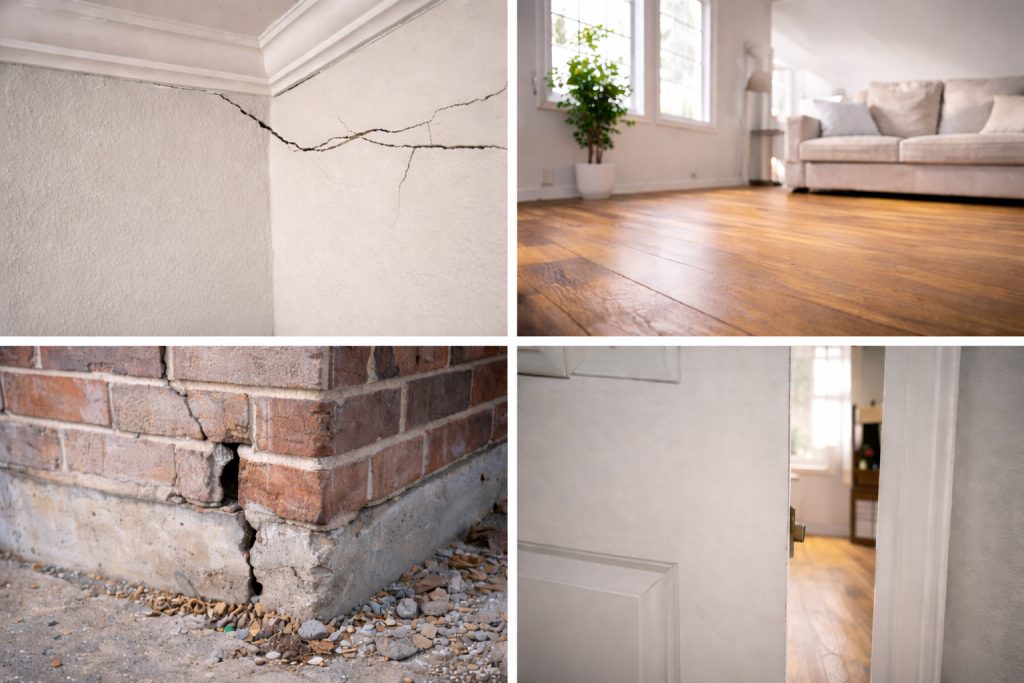
Your home’s structure is what keeps everything stable and safe. The framing, foundation, beams, and load-bearing components all work together to support the weight of the building and maintain its integrity over time. When structural issues begin to develop, they often start with small warning signs that can gradually become more serious if left unaddressed.
For homeowners in British Columbia—especially in older homes or areas with shifting soil conditions—recognizing potential structural problems early can help prevent costly repairs in the future.
In this guide, we’ll explore common signs your home may need structural repairs, what causes these issues, and when it’s time to consult a professional.
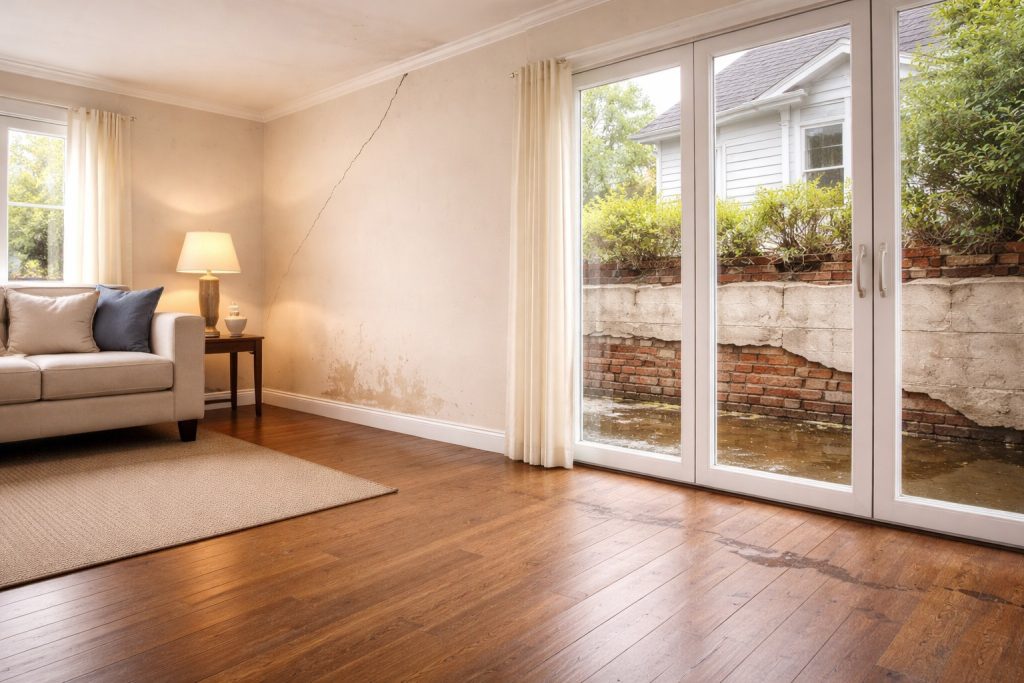
Structural problems affect the stability and safety of your home. While some signs may appear minor at first, they can indicate deeper issues within the building’s framework or foundation.
If structural problems are left unresolved, they may lead to:
Addressing structural concerns early often helps prevent larger and more expensive problems later.
One of the most common signs of potential structural issues is cracking in walls or ceilings.
While small hairline cracks can occur naturally as homes settle over time, larger or growing cracks may indicate movement within the structure.
Pay attention to cracks that are:
Cracks in drywall may sometimes be cosmetic, but when combined with other symptoms they may signal underlying structural movement.
Floors that feel uneven, sagging, or sloped can be another sign of structural problems.
Possible causes include:
Homeowners may notice furniture leaning slightly or objects rolling across the floor in certain directions.
Even subtle floor movement should be investigated, especially in older homes.
When a home’s structure shifts, door and window frames can become misaligned.
Common warning signs include:
While humidity and seasonal changes can affect doors temporarily, persistent issues may indicate structural movement.
The foundation supports the entire weight of the home. Cracks in foundation walls can sometimes occur as concrete cures or settles, but larger cracks may indicate structural concerns.
Watch for foundation cracks that are:
Horizontal cracks are often more serious because they may indicate pressure from surrounding soil.
If foundation cracks are visible, it’s best to have them evaluated by a professional.
The roof structure relies on framing components such as rafters, trusses, and beams to maintain its shape and strength.
A sagging or uneven roofline may indicate problems such as:
Sagging roofs should be addressed promptly because structural failures in roof systems can become dangerous over time.
Visible gaps where walls meet ceilings can sometimes indicate structural movement.
These gaps may appear as:
While small cosmetic gaps can occur naturally, larger separations may indicate shifting framing.
Structural problems often begin in areas homeowners rarely see, such as basements or crawlspaces.
Signs of structural issues in these areas may include:
Because these areas support the structure above, any issues should be inspected by professionals.
Several factors can contribute to structural issues in homes.
Common causes include:
In regions like the Lower Mainland where moisture levels can be high, water management around foundations is especially important.
Not every crack or uneven floor indicates a major structural problem, but multiple warning signs should be evaluated by professionals.
You should consider consulting a contractor or structural professional if you notice:
Professionals can assess whether repairs are necessary and recommend appropriate solutions.
Structural repair methods depend on the type and severity of the issue.
Common structural repair solutions may include:
Proper repairs help restore structural stability and prevent future problems.
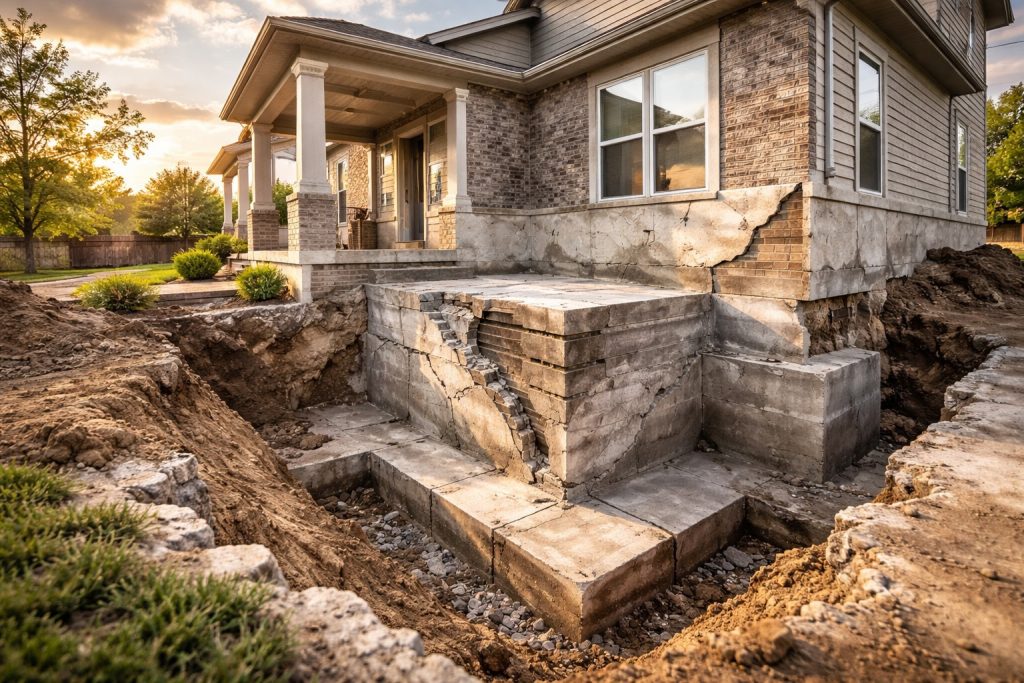
Structural repairs require specialized knowledge and experience. Improper repairs can create additional safety risks and may lead to further damage.
Professional contractors understand:
Working with experienced professionals helps ensure that structural issues are corrected safely and effectively.
Foundation movement and settling are among the most common structural concerns, particularly in older homes or areas with shifting soil conditions.
Not necessarily. Small hairline cracks can occur due to normal settling, but larger or growing cracks should be evaluated by professionals.
Costs vary depending on the severity of the problem. Minor structural reinforcements may cost a few thousand dollars, while major foundation repairs can be significantly more expensive.
Yes. Structural damage can impact property value and may make it more difficult to sell a home unless repairs are completed.
Structural issues can be concerning for homeowners, but recognizing warning signs early can help prevent larger problems later. Cracks in walls, uneven floors, foundation issues, and roofline changes may all indicate structural movement that should be evaluated.
Regular home inspections and prompt attention to potential problems can help maintain the long-term stability and safety of your home.
If you notice signs of structural damage, consulting experienced renovation professionals can help determine the best course of action and ensure that repairs are completed properly.