
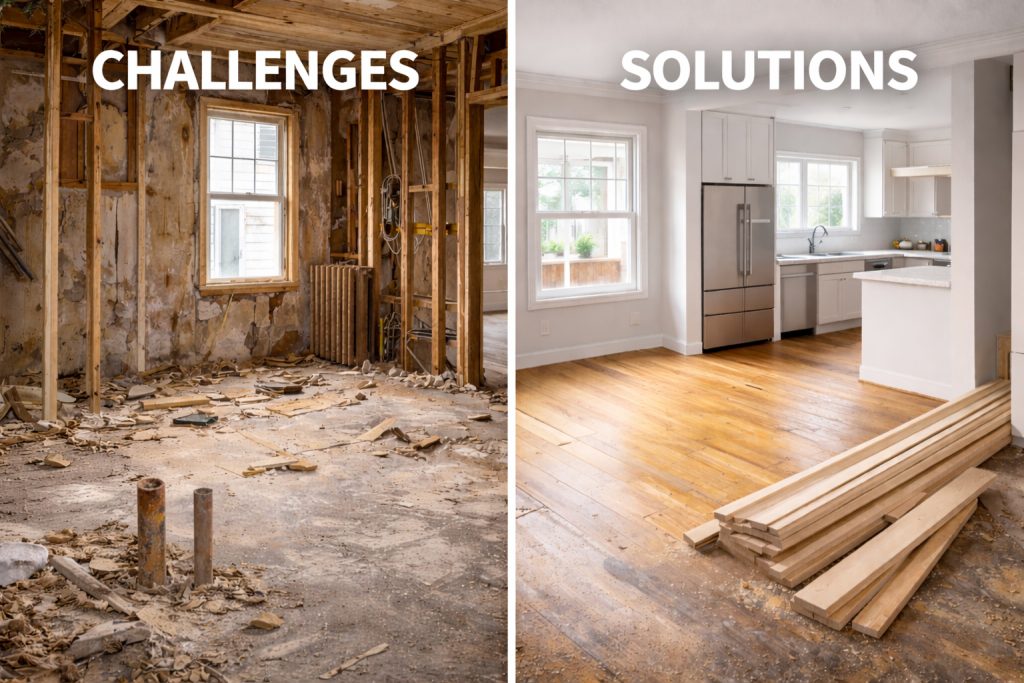
Older homes often have a charm and character that newer homes simply cannot replicate. Architectural details, solid construction, unique layouts, and established neighborhoods make many older properties attractive to homeowners. However, renovating an older home can also present challenges that newer houses typically do not have.
From outdated electrical systems to structural concerns and hidden repairs, older homes often require additional planning and expertise during renovations. Understanding these potential challenges ahead of time can help homeowners prepare properly and avoid unexpected surprises.
In this guide, we’ll explore the common challenges of renovating an older home and practical solutions that help homeowners modernize their spaces while preserving the integrity of the property.
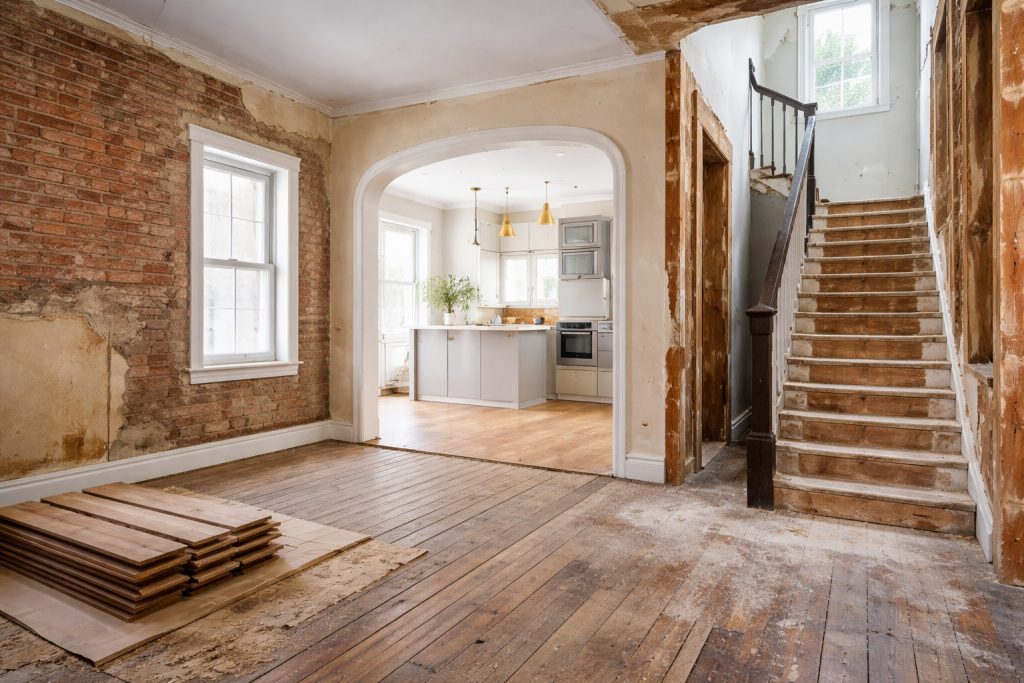
Despite the challenges, many homeowners choose to renovate older homes because they offer several unique advantages.
Older homes often provide:
Renovating allows homeowners to preserve the charm of the home while updating it for modern living.
However, renovations in older homes require careful planning.
One of the most common issues in older homes is outdated electrical wiring.
Homes built decades ago were not designed to support the electrical demands of modern households. Today’s homes require significantly more power for appliances, electronics, lighting, and heating systems.
Older electrical systems may include:
During renovations, electricians often upgrade the electrical system to meet modern safety standards. This may include:
Electrical upgrades improve both safety and functionality.
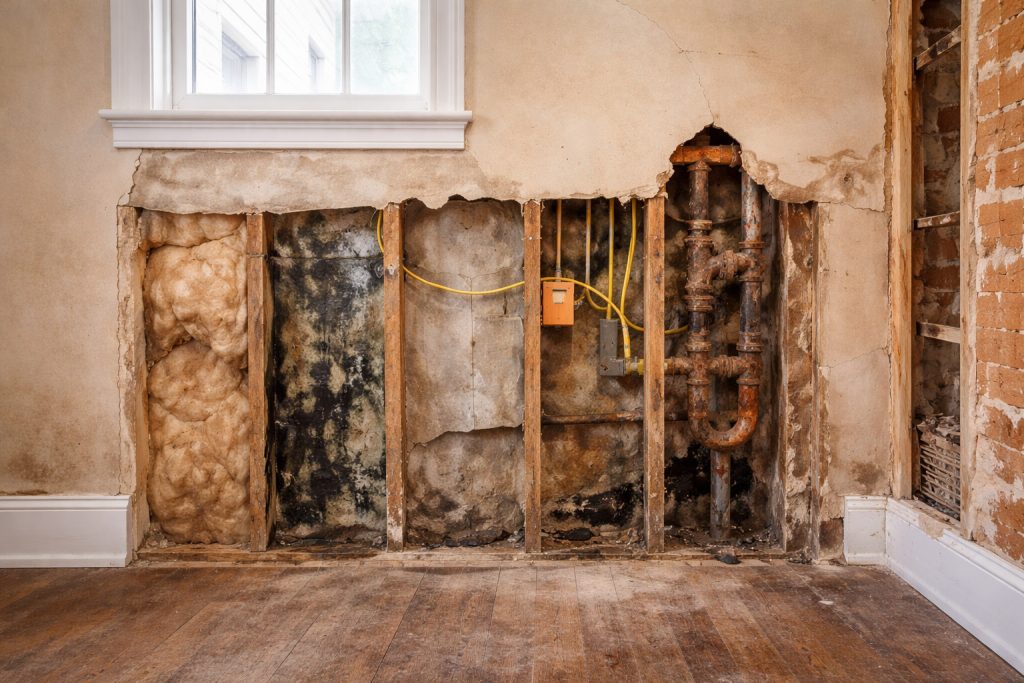
Plumbing systems in older homes may also need attention. Older materials such as galvanized steel pipes can corrode over time, leading to leaks or reduced water pressure.
Common plumbing issues in older homes include:
Renovations often provide an opportunity to replace aging plumbing with modern materials such as copper or PEX piping. Updating plumbing systems helps prevent future leaks and improves water flow throughout the home.
Older homes may develop structural problems over time due to settling, moisture exposure, or previous renovations.
Possible structural concerns include:
Professional contractors can assess the structure of the home and reinforce framing where necessary. Structural repairs may involve:
Addressing structural issues early helps maintain the safety and stability of the home.
Older homes were often built with minimal insulation compared to modern building standards. As a result, they may lose heat in winter and become overly warm during summer months.
Signs of poor insulation may include:
During renovations, contractors can improve insulation in key areas such as:
Upgrading windows and doors can also improve energy efficiency and comfort.
Some older homes may contain materials that are no longer used in modern construction.
These may include:
If hazardous materials are discovered, specialized remediation may be required before renovation work continues. Professional contractors follow safety procedures to ensure these materials are handled and removed properly.
One of the most common surprises during older home renovations is discovering hidden issues once walls or floors are opened.
These may include:
Professional renovation teams typically recommend setting aside a contingency budget of 10–20% to address unexpected discoveries during construction.
This allows repairs to be completed without delaying the renovation.
Many older homes were designed with smaller rooms and more separated spaces. Modern homeowners often prefer open layouts with better flow between living areas.
However, modifying the layout of an older home can be complicated if walls are structural.
Contractors can evaluate whether walls are load-bearing and determine safe ways to modify the layout. In some cases, structural beams may be installed to allow walls to be removed while maintaining support for the home.
This allows homeowners to achieve open-concept designs while preserving structural integrity.
When renovating older homes, contractors must ensure that the renovation meets current building codes, even if the home was originally built under older regulations.
Renovations involving structural changes, plumbing, or electrical systems may require permits and inspections.
Experienced contractors help coordinate permits and ensure that renovations meet modern building standards. This ensures that the home remains safe and compliant with municipal regulations.
Despite the challenges, renovating an older home can provide many advantages.
Benefits include:
When done properly, renovations allow homeowners to enjoy the charm of older homes with the comfort and convenience of modern upgrades.
Homeowners planning to renovate an older home can benefit from several important strategies.
Consider the following tips:
Proper planning helps ensure that the renovation process runs smoothly.
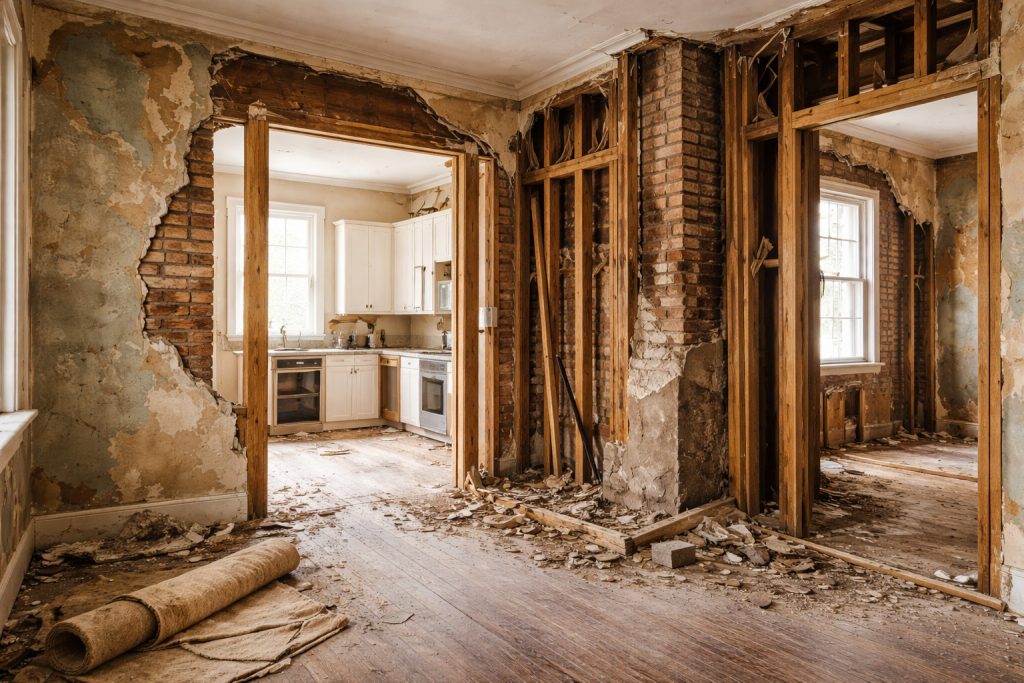
Older homes can present additional challenges due to outdated systems, structural considerations, and hidden issues behind walls. However, experienced contractors can address these challenges effectively.
For many homeowners, renovating an older home is worthwhile because it allows them to preserve unique architectural character while upgrading the home for modern living.
Important areas to inspect include structural components, electrical systems, plumbing, insulation, and potential hazardous materials.
Yes. Older homes often require additional inspection and planning to identify potential repairs and ensure renovations meet modern building standards.
Renovating an older home can be both rewarding and challenging. While these homes often require upgrades to electrical systems, plumbing, insulation, and structural components, they also offer character and architectural details that many homeowners appreciate.
By understanding the common challenges and planning renovations carefully, homeowners can successfully modernize older homes while preserving their original charm.
Working with experienced renovation professionals helps ensure that upgrades are completed safely, efficiently, and according to current building standards.
With the right approach, older homes can be transformed into comfortable, functional spaces that continue to stand strong for many years to come.