
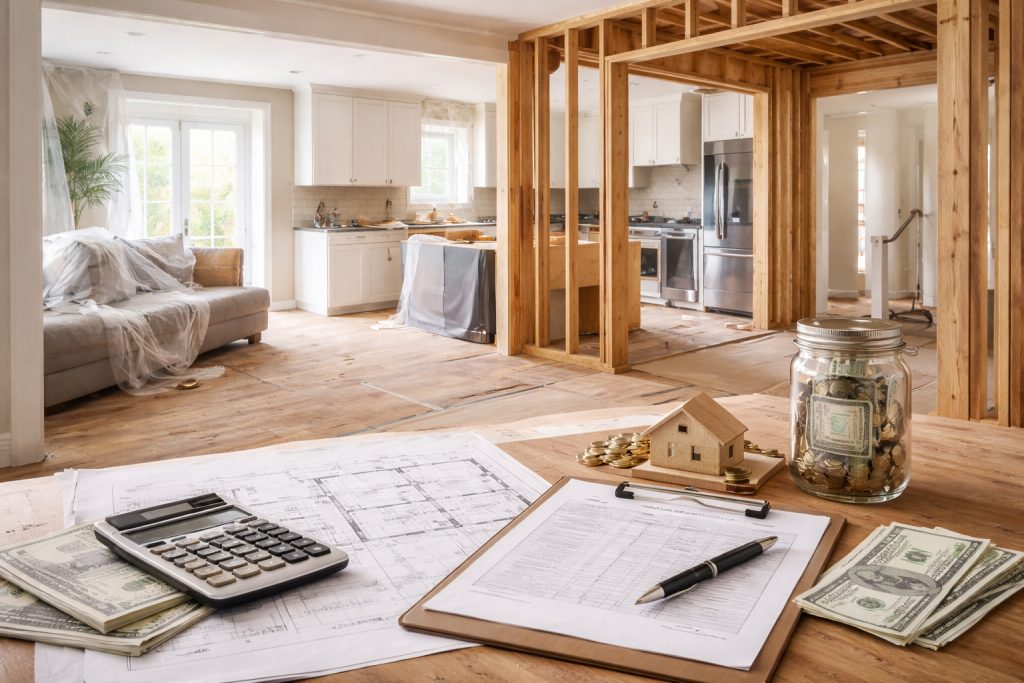
Home renovations are one of the most common ways homeowners in the Lower Mainland improve comfort, functionality, and long-term property value. Whether you’re updating an older home, modernizing a kitchen, finishing a basement, or opening up your living space, understanding renovation costs is one of the first and most important steps in planning a successful project.
Renovation costs in British Columbia can vary widely depending on the scope of work, materials chosen, structural requirements, and the condition of the home. Labour availability, permit requirements, and local building standards can also influence pricing.
In this guide, we’ll walk through realistic renovation cost ranges for 2026 in the Lower Mainland, what factors influence pricing, and how homeowners can plan their renovation budgets more effectively.
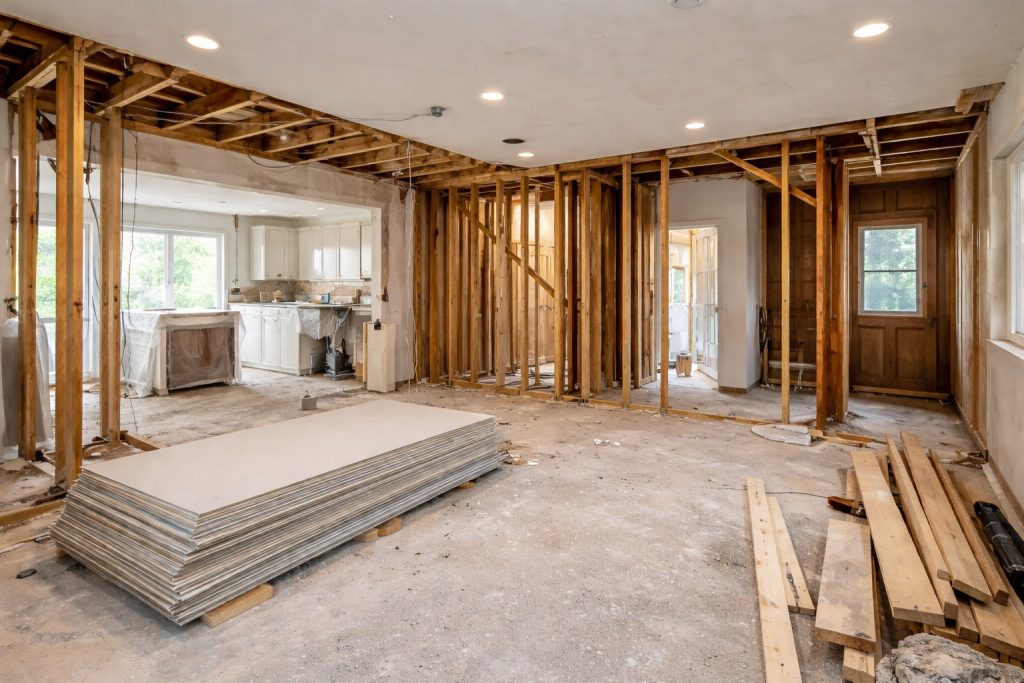
In most renovation projects, contractors estimate costs using a per-square-foot range, although kitchens and bathrooms are usually priced based on the complexity of the project.
Across the Lower Mainland—including Vancouver, Burnaby, Surrey, Langley, Maple Ridge, and the Fraser Valley—homeowners can typically expect renovation costs in the following ranges:
Cosmetic Renovations
$50 – $100 per square foot
Mid-Range Renovations
$100 – $200 per square foot
High-End Renovations
$200 – $400+ per square foot
These numbers provide a general idea of what different renovation scopes may cost:
• Small renovation project:$20,000 – $50,000
• Main-floor renovation: $80,000 – $200,000+
• Whole-home renovation: $200,000 – $500,000+
Of course, every home is different. Older homes in particular may require upgrades to electrical, plumbing, or structural components that can increase project costs.
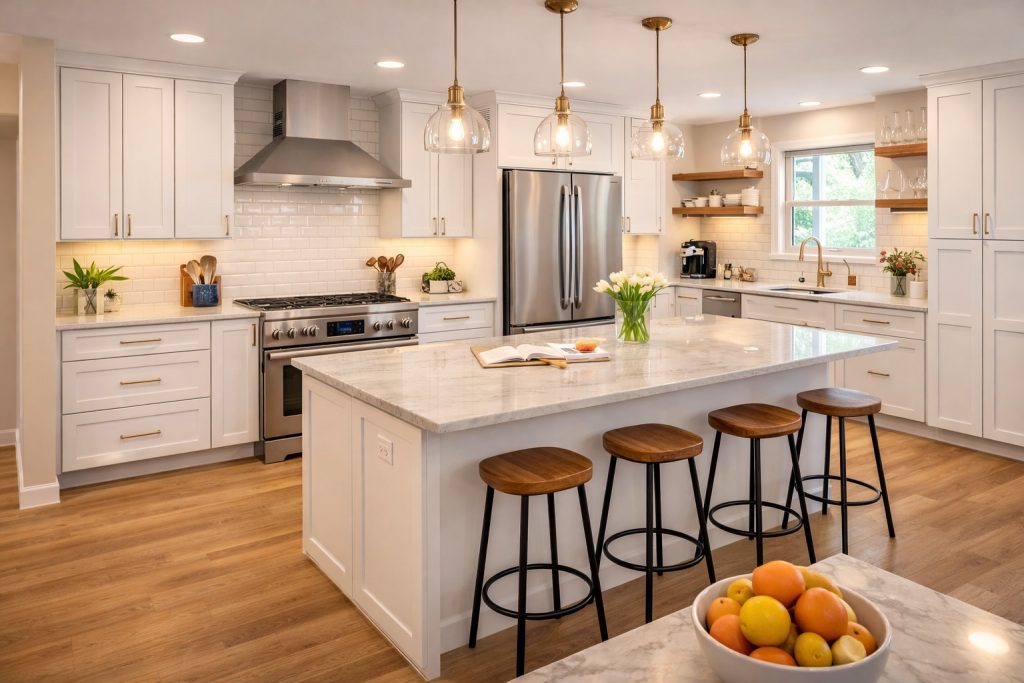
Kitchen renovations are one of the most popular home upgrades. They improve daily functionality, enhance the aesthetic of the home, and often provide one of the highest returns on investment.
Typical kitchen renovation costs in the Lower Mainland include:
• Basic kitchen renovation:$20,000 – $35,000
• Mid-range kitchen renovation: $35,000 – $70,000
• High-end custom kitchen: $70,000 – $150,000+
Several factors influence the final cost of a kitchen renovation.
Cabinetry is often one of the largest expenses in a kitchen renovation.
• Stock cabinets are typically the most affordable option.
• Semi-custom cabinets allow for more flexibility.
• Fully custom cabinetry significantly increases cost but offers maximum design freedom.
Countertop materials also affect pricing.
Common options include:
• Laminate (most affordable)
• Quartz (very popularin modern renovations)
• Granite or natural stone
• Porcelain and specialty surfaces
If a renovation involves moving appliances, sinks, or walls, additional plumbing and electrical work may be required. Structural changes can increase labour and permit requirements.
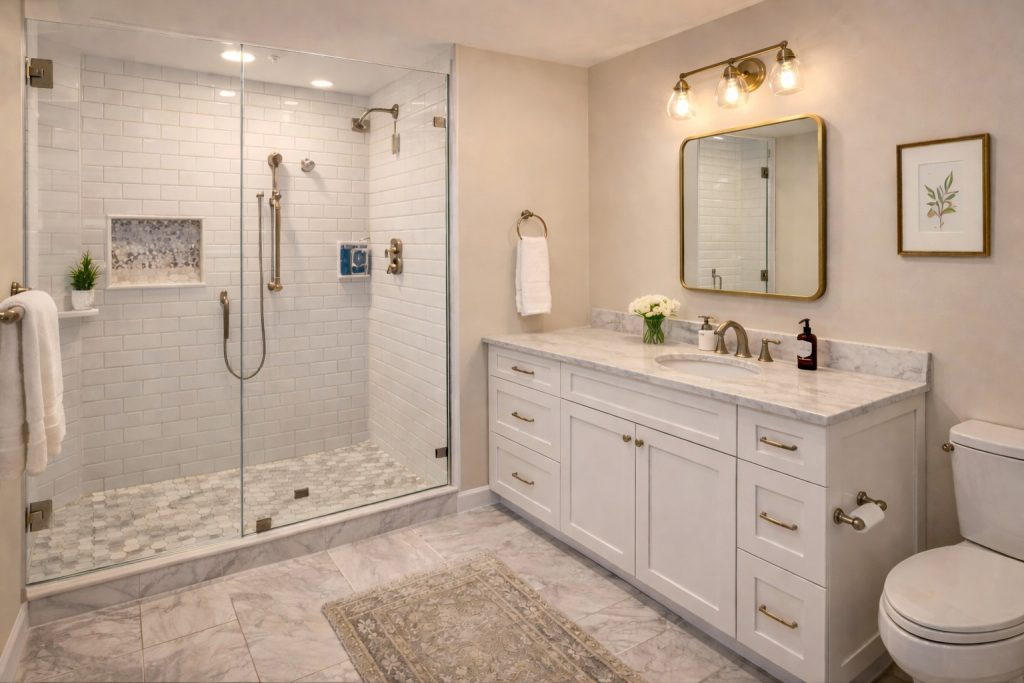
Bathroom renovations are another high-value home improvement project. Upgrading bathrooms improves comfort and can make a home more attractive to future buyers.
Typical bathroom renovation costs in the Lower Mainland include:
• Basic bathroom renovation:$12,000 – $20,000
• Mid-range renovation: $20,000 – $35,000
• Luxury bathroom renovation: $35,000 – $60,000+
Bathroom pricing is heavily influenced by the features homeowners choose.
Common upgrades include:
• Custom vanities
• High-quality tile and stone finishes
• Heated flooring systems
• Frameless glass showers
• Premium plumbing fixtures
The complexity of waterproofing, tiling, and plumbing installations can also impact labour costs.
Basement renovations are a great way to add usable living space without expanding the home’s footprint. Many homeowners convert basements into recreation rooms, home offices, rental suites, or additional family space.
Typical basement renovation costs include:
• Basic basement finishing:$35,000 – $60,000
• Mid-range basement renovation: $60,000 – $100,000
• Basement suite or high-end renovation: $100,000 – $180,000+
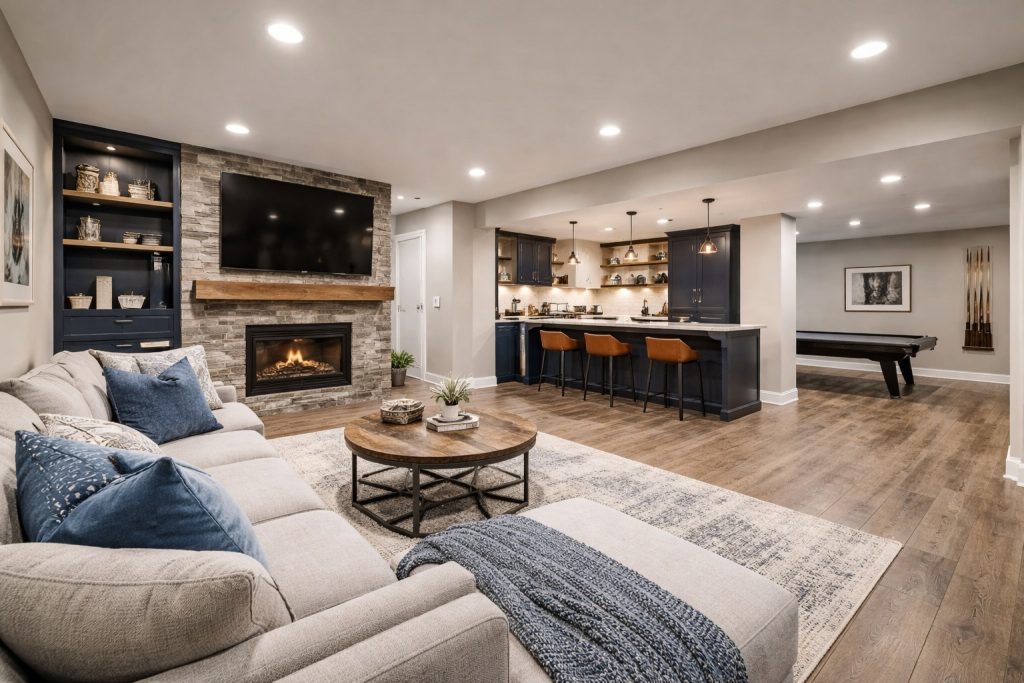
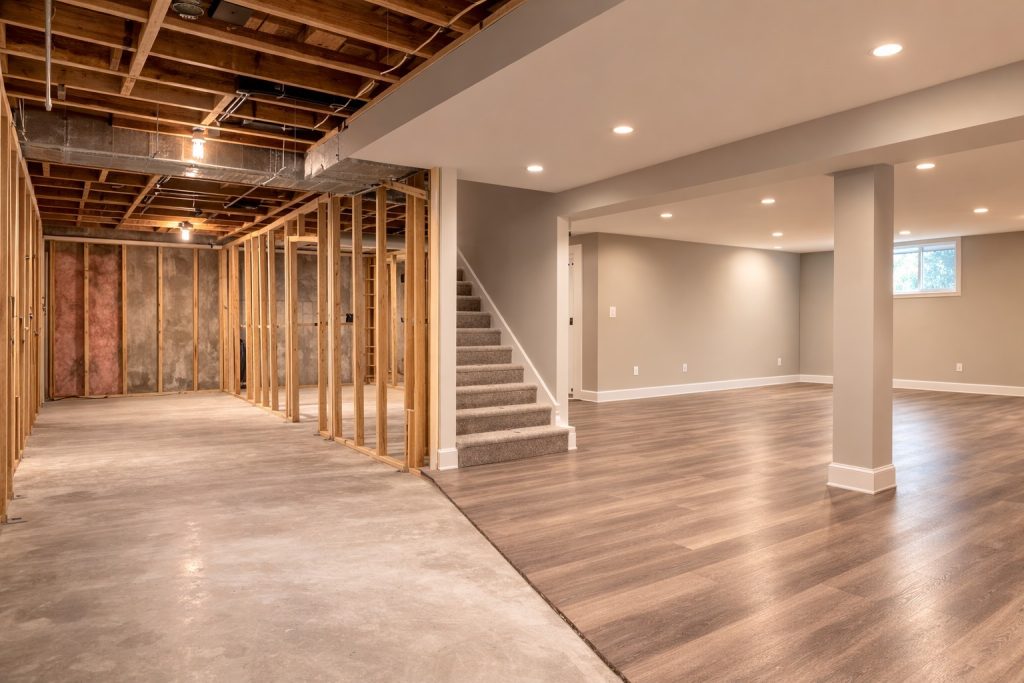
Basement renovations often include:
• framing and drywall
• insulation upgrades
• flooring installation
• lighting and electrical work
• bathroom additions
• kitchenettes or full suites
Costs can increase if moisture remediation, foundation repair, or plumbing upgrades are required.
Many homeowners today want open-concept living spaces. Achieving these layouts often requires structural modifications.
Examples include:
• removing load-bearing walls
• installing structural beams
• widening door openings
• reinforcing framing structures
Structural changes typically require engineering approval and building permits.
Depending on the complexity, structural renovations may add $10,000 to $50,000 or more to a renovation project.
Several important factors influence the overall cost of a renovation project.
Older homes may require upgrades such as:
• electrical system replacements
• plumbing upgrades
• insulation improvements
• structural repairs
These upgrades are often necessary to meet modern building codes.
Most significant renovations in the Lower Mainland require permits from local municipalities. These permits ensure work meets safety and building standards.
Permit requirements may apply to:
• structural modifications
• plumbing changes
• electrical work
• secondary suites
Permit costs and inspection timelines should be factored into the renovation budget.
Material choices can dramatically affect project costs.
Examples include:
• flooring materials
• cabinetry and millwork
• stone surfaces
• specialty fixtures
Premium materials will naturally increase the overall project budget.
The larger the renovation scope, the more labour and materials are required. Renovating multiple rooms or modifying structural components significantly increases overall costs.
Renovations sometimes uncover unexpected issues once walls, ceilings, or flooring are opened.
Common hidden costs include:
• outdated electrical wiring
• plumbing problems
• water damage or mold
• structural corrections
• permit adjustments
To account for these possibilities, most contractors recommend a contingency budget of 10–20% of the total project cost.

Proper planning is essential to avoid budget surprises and delays.
Helpful planning steps include:
• defining renovation priorities
• researching typical project costs
• consulting experienced contractors
• allowing room for contingencies
• choosing materials early in the design process
Working with a contractor who provides clear scope definitions and transparent estimates can help ensure the project runs smoothly.

Experienced renovation contractors bring valuable expertise to a project. They help homeowners:
• identifypotential issues early
• manage construction timelines
• coordinate trades and permits
• maintain quality standards
A structured renovation process often includes:
• consultation and project planning
• design and layout development
• detailed scope and budgeting
• permit coordination
• construction and quality control
This approach helps ensure renovations are completed safely and according to local building standards.
Most home renovations fall between $100 and $200 per square foot, depending on materials, project scope, and structural work.
Kitchen renovations, bathroom upgrades, and basement renovations typically offer the highest return on investment.
Smaller renovations may take 3–6 weeks, while larger projects can take several months depending on the complexity of the work and permitting requirements.
Strategic renovations can increase resale value, but it’s important to focus on improvements that appeal to buyers and offer a strong return on investment.