
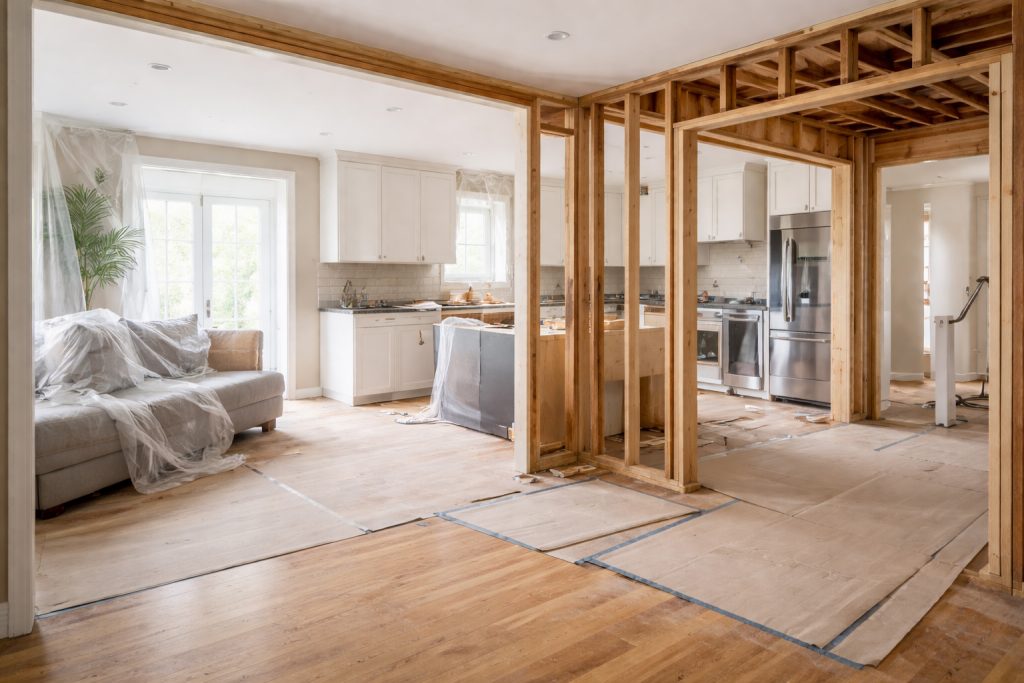
One of the most common questions homeowners ask before starting a renovation project is simple: “How long will the renovation take?”
Whether you’re updating a kitchen, remodeling a bathroom, finishing a basement, or completing a full home renovation, timelines can vary widely depending on the scope of work, planning requirements, permits, and construction complexity.
While some small projects may take only a few weeks, larger renovations can take several months from planning to completion. Understanding what influences renovation timelines can help homeowners set realistic expectations and plan accordingly.
In this guide, we’ll explore how long home renovations typically take, what factors affect timelines, and how homeowners can help ensure their renovation project runs as smoothly as possible.
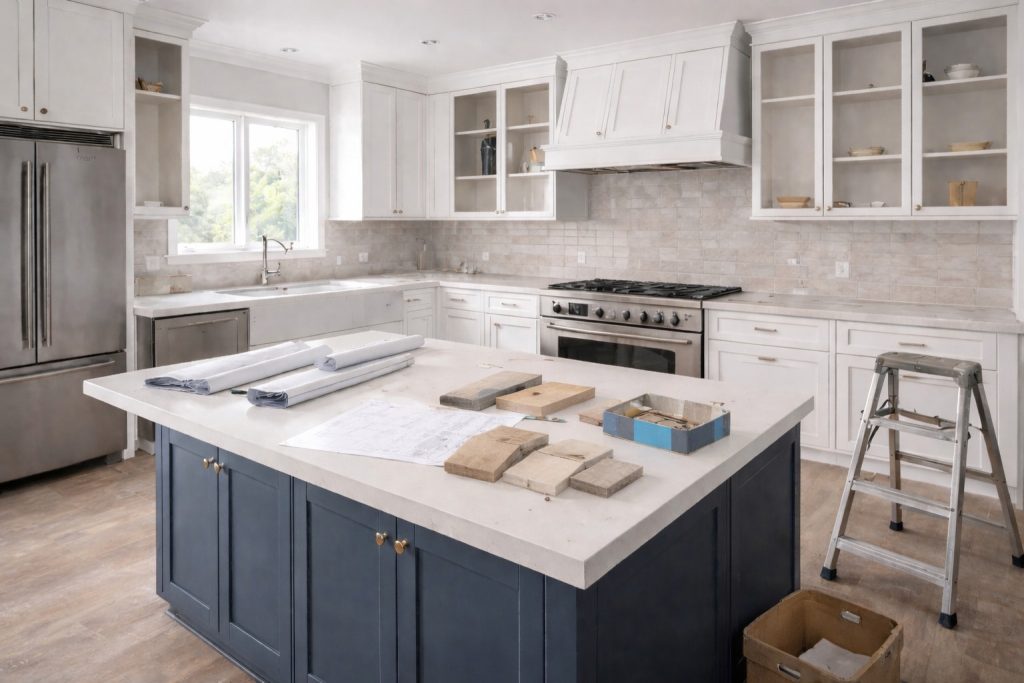
Every home renovation project is unique. Even projects that appear similar at first can vary significantly in timeline due to factors such as the age of the home, structural conditions, permit requirements, and material availability.
Several key elements influence renovation timelines, including:
• project size and complexity
• design and planning requirements
• permit approvals
• contractor scheduling
• structural work or engineering
• material ordering and delivery
Understanding these factors helps explain why some renovations take longer than others.
While timelines vary, homeowners can generally expect the following timeframes for common renovation projects.
Bathroom renovations are often one of the quicker home improvement projects.
Typical timeline: 3–6 weeks
This timeframe may include:
• demolition
• plumbing updates
• tile installation
• fixture installation
• finishing work
More complex bathrooms involving layout changes, structural modifications, or luxury features may take longer.
Kitchen renovations involve multiple trades and detailed installations, which can extend the timeline.
Typical timeline: 6–10 weeks
Kitchen renovation timelines often include:
• demolition and preparation
• electrical and plumbing upgrades
• cabinet installation
• countertop fabrication
• backsplash installation
• final finishing work
Custom cabinetry or specialty materials may add additional time to the project.
Finishing a basement or converting it into additional living space can require several phases of work.
Typical timeline: 6–12 weeks
Basement renovations may include:
• framing and insulation
• electrical and plumbing installations
• drywall and flooring
• bathroom additions
• finishing work
If the basement includes structural work or a legal suite, the timeline may be longer due to permit requirements.
Whole-home renovations involve multiple rooms and systems throughout the property.
Typical timeline: 3–6 months or more
These projects often include:
• structural modifications
• multiple room renovations
• electrical upgrades
• plumbing system adjustments
• flooring and interior finishes
Because many trades must coordinate their work, full-home renovations require careful project management.
Many homeowners assume renovation timelines begin when demolition starts. However, a significant portion of the project timeline happens before construction even begins.
The planning phase may include:
• initial consultations
• site assessments
• design planning
• material selections
• permit applications
• engineering approvals
This stage may take several weeks to a few months, depending on the complexity of the renovation.
Proper planning helps prevent delays during construction.

If a renovation involves structural changes—such as removing load-bearing walls or installing structural beams—additional time may be required.
Structural projects may require:
• engineering drawings
• permit approvals
• careful installation of support structures
Although these steps add time, they ensure the renovation remains safe and structurally sound.
Material availability can also impact renovation timelines.
Certain materials may require longer lead times, including:
• custom cabinetry
• specialty countertops
• custom windows or doors
• specialty fixtures or finishes
Contractors typically plan material orders early in the process to help minimize delays.
Renovation projects occasionally uncover hidden issues once walls or floors are opened.
Examples include:
• outdated wiring
• plumbing problems
• structural framing concerns
• moisture damage
When unexpected issues are discovered, contractors may need additional time to address them properly.
While delays can be frustrating, resolving these problems ensures the home remains safe and functional.

While contractors manage the construction process, homeowners also play an important role in keeping projects on track.
Here are several ways homeowners can help maintain renovation timelines
Choosing materials, fixtures, and finishes before construction begins helps avoid delays.
Regular communication with the contractor helps address questions quickly and keeps the project moving forward.
Changing design decisions during construction can cause delays and require adjustments to completed work.
Professional contractors use organized project management systems to coordinate trades and maintain schedules.
Setting realistic expectations helps homeowners better prepare for the renovation experience.
Renovations involve skilled trades, inspections, and careful construction processes. While homeowners naturally want projects completed quickly, rushing construction can sometimes compromise quality.
Experienced contractors prioritize:
• proper installation techniques
• building code compliance
• quality craftsmanship
Taking the time to complete the work properly helps ensure long-term durability and safety.
Smaller renovations such as cosmetic upgrades, flooring replacement, or simple bathroom updates are often completed within a few weeks.
Unexpected structural issues, permit approvals, weather conditions, or material delays can affect renovation schedules.
Not always. Many renovation tasks must be completed in a specific order, so adding more workers does not always reduce the timeline.
For large renovations involving multiple rooms or structural work, temporary relocation may sometimes make the process easier and safer.
Home renovation timelines can vary depending on the size and complexity of the project. While smaller projects may take only a few weeks, larger renovations often require several months from planning to completion.
By understanding the stages of the renovation process and working with experienced professionals, homeowners can set realistic expectations and enjoy a smoother renovation experience.
Careful planning, clear communication, and professional project management all play a key role in ensuring renovation projects are completed efficiently while maintaining high-quality results.