
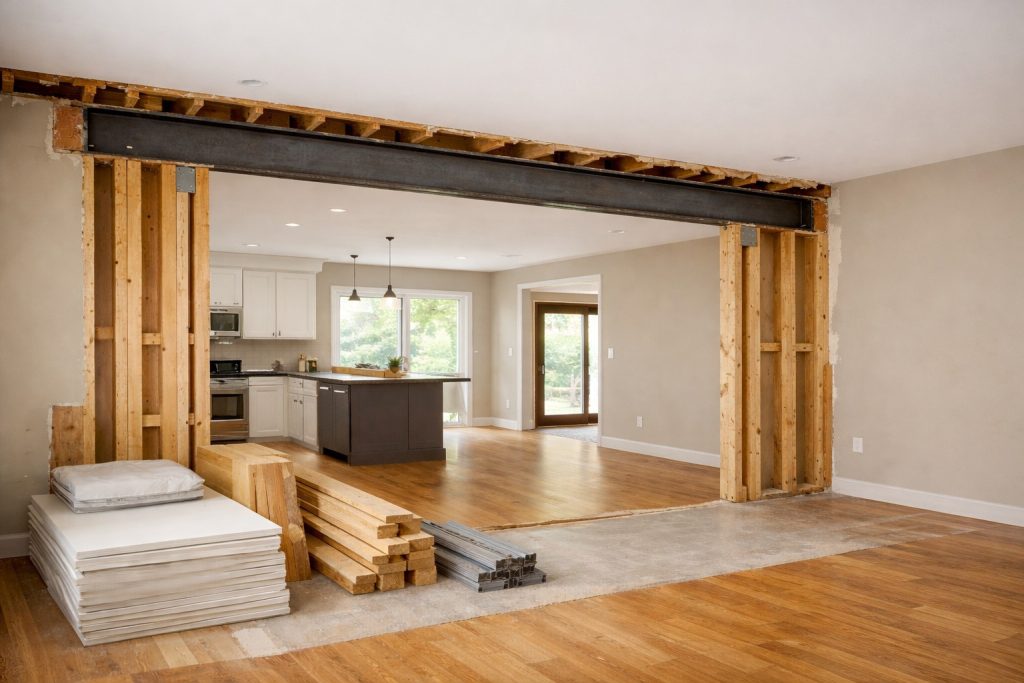
Many homeowners today want more open, connected living spaces. Open-concept designs allow kitchens, dining areas, and living rooms to flow together, creating brighter and more functional homes. As a result, one of the most common renovation questions contractors hear is:
“Can I remove this wall?”
In many cases, the wall in question turns out to be load-bearing, which means it plays an important role in supporting the structure of the home. While removing a load-bearing wall is possible, it requires careful planning, engineering considerations, and proper construction methods to ensure the home remains safe and structurally sound.
In this guide, we’ll explain what load-bearing walls are, how they work, and what homeowners in British Columbia should know before attempting to remove one during a renovation.
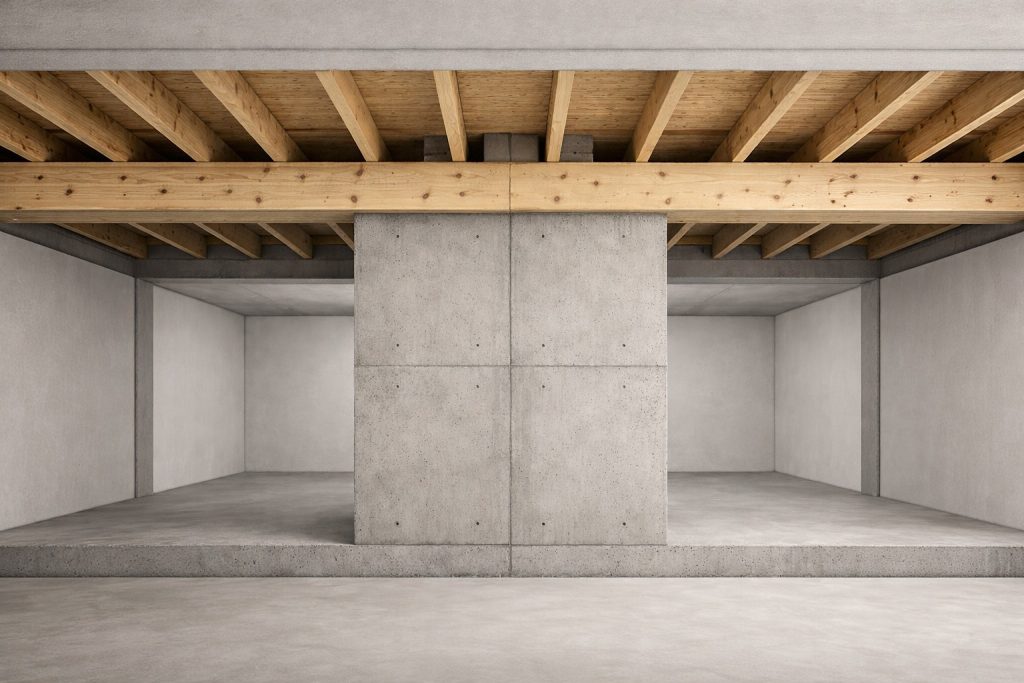
A load-bearing wall is a wall that supports the structural weight of the home above it. This weight may come from upper floors, roof structures, ceiling joists, or other framing components.
Unlike non-structural walls, load-bearing walls help transfer weight down through the home’s framing and into the foundation.
Removing or altering these walls without proper structural support can cause serious problems, including:
• sagging ceilings
• cracked drywall
• uneven floors
• structural instability
Because of this, load-bearing walls must be handled carefully during renovation projects.
Determining whether a wall is load-bearing can sometimes be straightforward, but in many cases it requires professional assessment.
Common indicators that a wall may be load-bearing include:
• walls located near the center of the home
• walls running perpendicular to floor joists
• walls stacked directly above each other on multiple floors
• walls supporting beams or posts
However, every home is built differently. Structural framing systems can vary depending on the age of the home, building design, and previous renovations.
Because of this, homeowners should always consult professionals before removing walls.
Removing load-bearing walls is most often done to improve the layout and flow of a home.
Common reasons include:
• creating open-concept living spaces
• expanding kitchens into dining areas
• improving natural light throughout the home
• modernizing older floor plans
• increasing sightlines between rooms
These improvements can dramatically change how a home feels and functions.
Open-concept renovations are particularly popular in older homes where layouts were originally divided into smaller rooms.
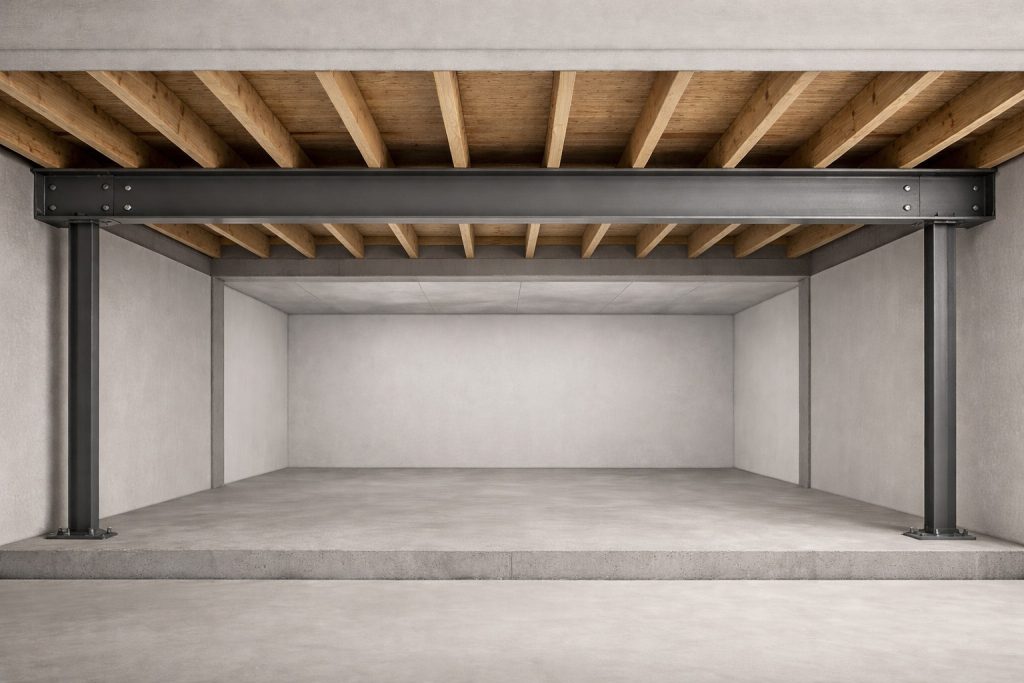
While removing a load-bearing wall is possible, the weight it carries must be properly supported by an alternative structural element.
This is typically done by installing a structural beam.
The beam carries the load previously supported by the wall and transfers that weight to posts or other structural supports.
Common beam options include:
• engineered wood beams (LVL beams)
• steel beams
• laminated beams
The choice of beam depends on factors such as span length, structural load, and available space within the ceiling.
In many cases, removing a load-bearing wall requires evaluation by a structural engineer.
Engineers analyze:
• the structural load carried by the wall
• the span distancerequired for the beam
• the type of beam needed to support the structure
• how the load will transfer to the foundation
They then provide engineering drawings or specifications that guide the construction process.
These structural plans help ensure that the renovation meets safety standards and building codes.
Structural modifications usually require building permits from local municipalities.
Permit requirements may apply when:
• removing load-bearing walls
• installing structural beams
• modifying framing systems
• altering structural supports
Permits ensure that renovations follow building codes and safety standards.
Municipal inspections may also be required to confirm that the work has been completed correctly.
Failing to obtain proper permits can create problems when selling the home or obtaining insurance coverage.
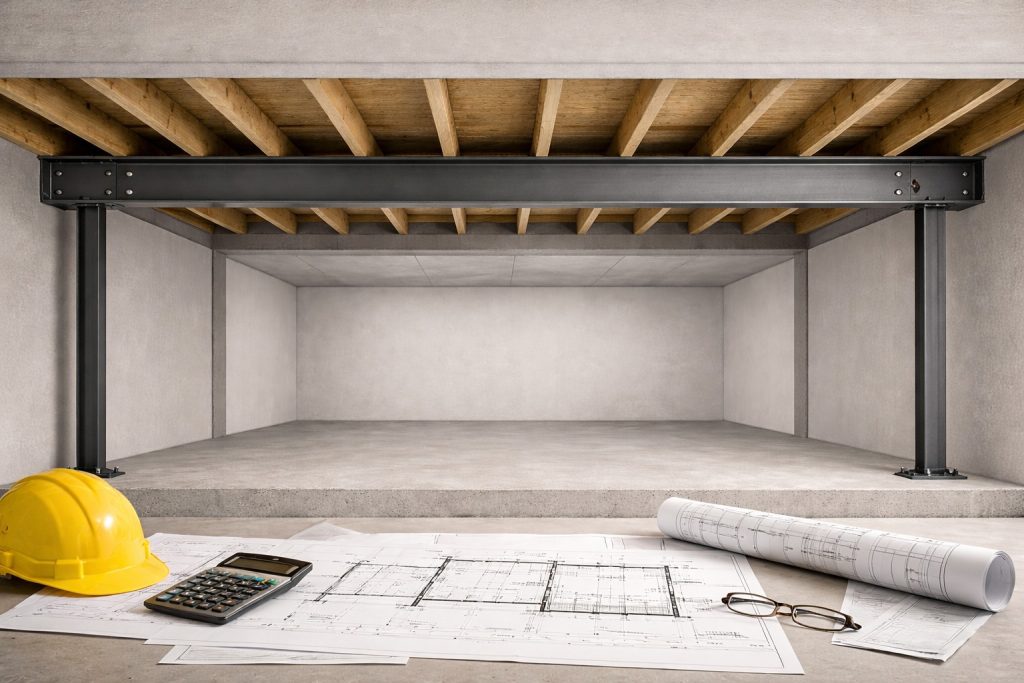
The cost of removing a load-bearing wall varies depending on several factors, including:
• the length of the wall being removed
• the structural load it carries
• beam type and size
• whether engineering is required
• permit and inspection costs
• finishing work after the beam installation
Typical costs may range from $5,000 to $20,000 or more, depending on the complexity of the project.
Additional costs may occur if electrical wiring, plumbing, or HVAC systems run through the wall.
Structural renovations can sometimes uncover unexpected challenges during construction.
Examples include:
• hidden wiring or plumbing inside walls
• insufficient support in existing framing
• foundation adjustments needed for support posts
• ceiling height limitations for beam installation
Experienced renovation contractors plan carefully to address these challenges while maintaining the structural integrity of the home.
When done correctly, removing load-bearing walls can dramatically improve a home’s layout and functionality.
Benefits may include:
• brighter, more open living spaces
• improved flow between rooms
• better natural lighting
• modernized interior design
• increased property appeal
Open layouts are often highly desirable for both homeowners and future buyers.
Although many homeowners want open-concept spaces, removing structural walls is not always the best solution.
Factors that may affect feasibility include:
• structural limitations of the home
• cost of engineering and beam installation
• ceiling height constraints
• presence of mechanical systems inside the wall
In some cases, partial wall openings or wider doorways may provide similar visual benefits without major structural changes.
A wall may be load-bearing if it runs perpendicular to floor joists, supports beams, or aligns with structural walls above. However, a professional evaluation is the best way to confirm.
Removing a load-bearing wall without professional guidance is not recommended. Structural modifications require proper engineering and construction techniques to ensure safety.
In most cases, yes. Structural changes typically require permits and inspections from local municipalities.
Open-concept layouts are often desirable and may improve a home’s appeal to buyers, but structural changes should be carefully planned to ensure they add long-term value.
Removing a load-bearing wall can transform the layout of a home, creating more open and functional living spaces. However, because these walls support structural loads, modifications must be handled carefully.
Professional planning, proper engineering, and experienced construction are essential to ensure the renovation is completed safely and meets building codes.
If you’re considering removing a wall during a renovation, consulting experienced renovation professionals can help determine whether the wall is structural and what solutions are available to achieve your desired layout.
Thoughtful planning ensures the renovation enhances both the design and structural integrity of your home.