
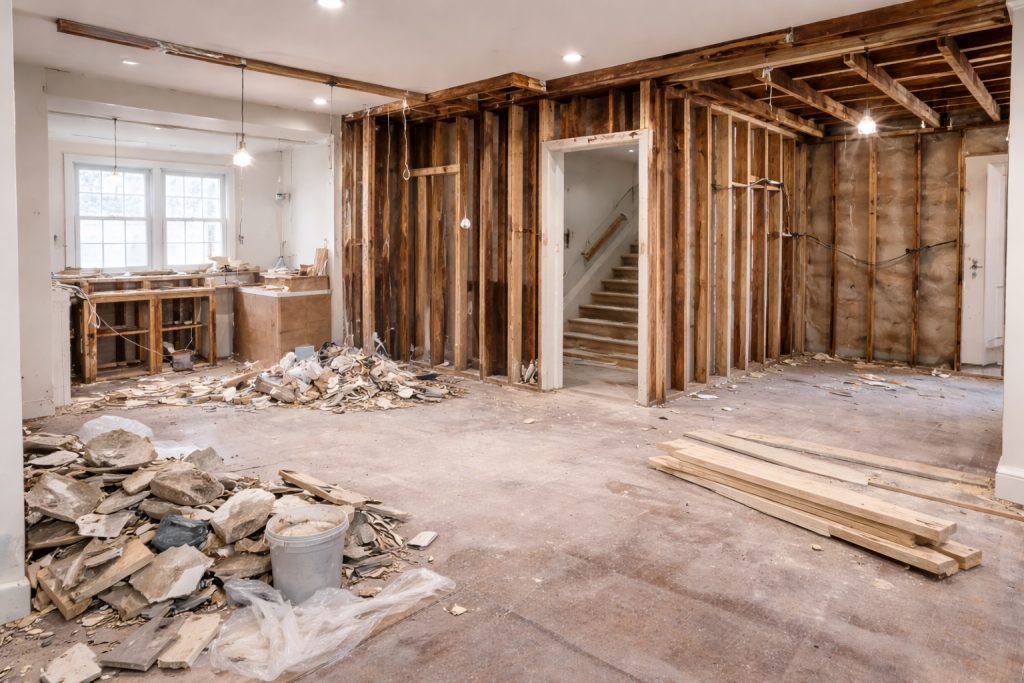
Home renovations can dramatically improve the comfort, functionality, and value of a property. Whether upgrading a kitchen, remodeling a bathroom, finishing a basement, or completing a full home renovation, these projects are often exciting milestones for homeowners.
However, renovations can also become stressful or expensive when mistakes are made during the planning or construction process. Many homeowners enter renovation projects with enthusiasm but without a full understanding of the complexities involved.
The good news is that most renovation mistakes are preventable with proper planning and the right professional guidance. In this guide, we’ll explore the biggest renovation mistakes homeowners make and how to avoid them to ensure a smoother renovation experience.
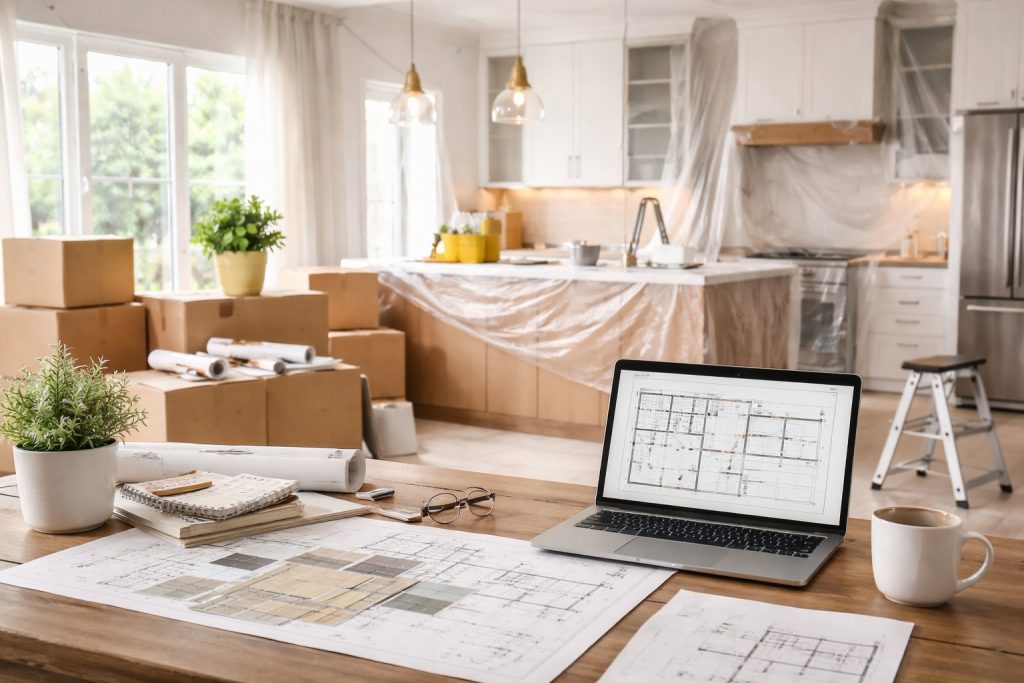
Home renovations involve many moving parts. Materials, labour, design decisions, permits, and timelines must all work together to create a successful project.
Without proper planning, homeowners may encounter:
Understanding common renovation mistakes can help homeowners approach projects with greater confidence and preparation.
One of the most common renovation mistakes is underestimating the true cost of a project. Many homeowners begin with a rough budget but fail to account for all expenses involved.
Renovation budgets should include:
Without a realistic budget, homeowners may be forced to compromise on important elements or pause the renovation halfway through.
Some homeowners rush into demolition before finalizing important decisions. This can lead to delays and costly changes once construction begins.
Important planning steps include:
Proper planning ensures the renovation moves forward efficiently once work begins.
Choosing the wrong contractor can cause major issues during a renovation project. While cost is an important factor, selecting the lowest quote without evaluating experience or reputation can lead to problems.
Homeowners should evaluate contractors by reviewing:
Hiring experienced professionals helps ensure the renovation is completed safely and to a high standard.
Many renovation ideas involve removing walls or changing layouts. However, not all walls can be safely removed without structural reinforcement.
Load-bearing walls support the weight of the home above. Removing them without proper planning can cause serious structural damage.
Structural modifications may require:
Professional evaluation ensures structural changes are completed safely.
Delaying material selections can slow down renovation timelines. Cabinets, flooring, tile, appliances, and fixtures often require lead time for ordering and delivery.
When materials are not chosen early, contractors may need to pause work while waiting for products to arrive.
Selecting materials during the planning phase helps keep the renovation schedule on track.
Many homeowners focus heavily on aesthetics during renovations but overlook practical aspects of daily use.
For example:
Balancing design with functionality ensures that renovated spaces remain comfortable and efficient.
Changing design decisions once construction has begun can significantly increase renovation costs.
Mid-project changes often require:
To minimize these costs, homeowners should finalize all major decisions before construction begins.
Renovations—especially in older homes—can reveal hidden problems once walls or floors are opened.
Common surprises include:
Homeowners should set aside a contingency budget of 10–20% to address unexpected repairs.
Some homeowners attempt to avoid permits to save time or money. However, failing to obtain required permits can create serious problems.
Possible consequences include:
Permits ensure renovations meet safety standards and building code requirements.
Design trends can inspire renovations, but choosing materials or layouts based solely on current trends may not age well.
Homeowners should focus on upgrades that provide long-term value, such as:
Balancing modern design with long-term practicality helps renovations remain appealing for years.
Avoiding renovation mistakes starts with careful preparation and professional guidance.
Homeowners can improve their renovation experience by:
These steps help ensure renovations remain organized, efficient, and successful.
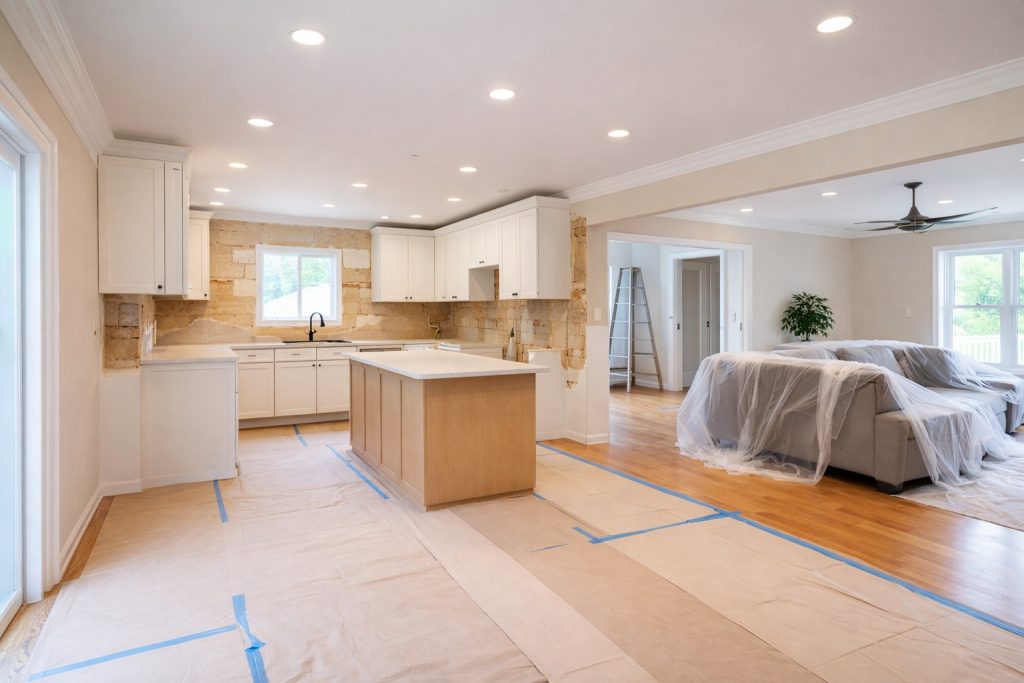
One of the most common mistakes is underestimating the renovation budget and failing to account for unexpected costs.
Planning ahead, selecting materials early, and working with experienced contractors can help reduce delays.
Yes. Comparing multiple estimates helps homeowners understand realistic pricing and evaluate contractor experience.
Most experts recommend setting aside 10–20% of the project budget for unexpected issues.
Home renovations can greatly improve both the functionality and value of a home, but successful projects require thoughtful planning and careful decision-making. By understanding the most common renovation mistakes and taking steps to avoid them, homeowners can reduce stress and ensure their renovation experience runs smoothly.
Working with experienced renovation professionals, setting realistic expectations, and planning every stage of the project carefully helps ensure renovations deliver lasting results that homeowners can enjoy for years to come.