
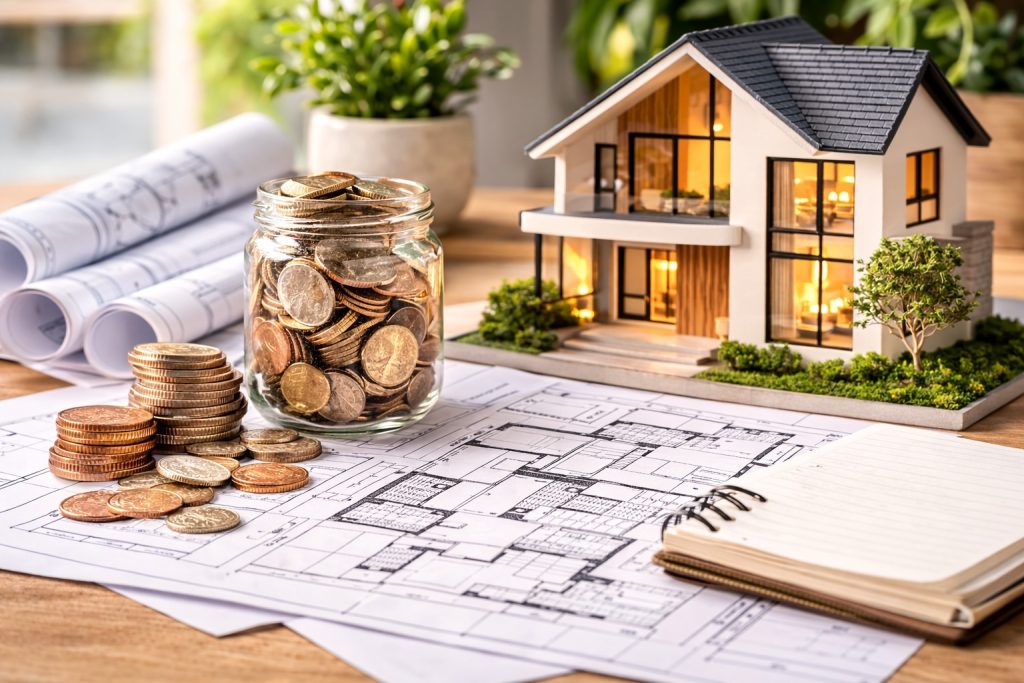
Home renovations are an exciting opportunity to improve comfort, update outdated spaces, and increase the long-term value of your property. Whether you’re renovating a kitchen, updating a bathroom, finishing a basement, or remodeling an entire home, planning a renovation project requires careful budgeting.
Many homeowners begin with a clear renovation budget, only to discover unexpected costs once construction begins. While some surprises are unavoidable, many hidden renovation costs can be anticipated with proper planning and the guidance of experienced professionals.
In this guide, we’ll explore some of the most common hidden costs in home renovations and offer practical tips on how homeowners in British Columbia can prepare for them.
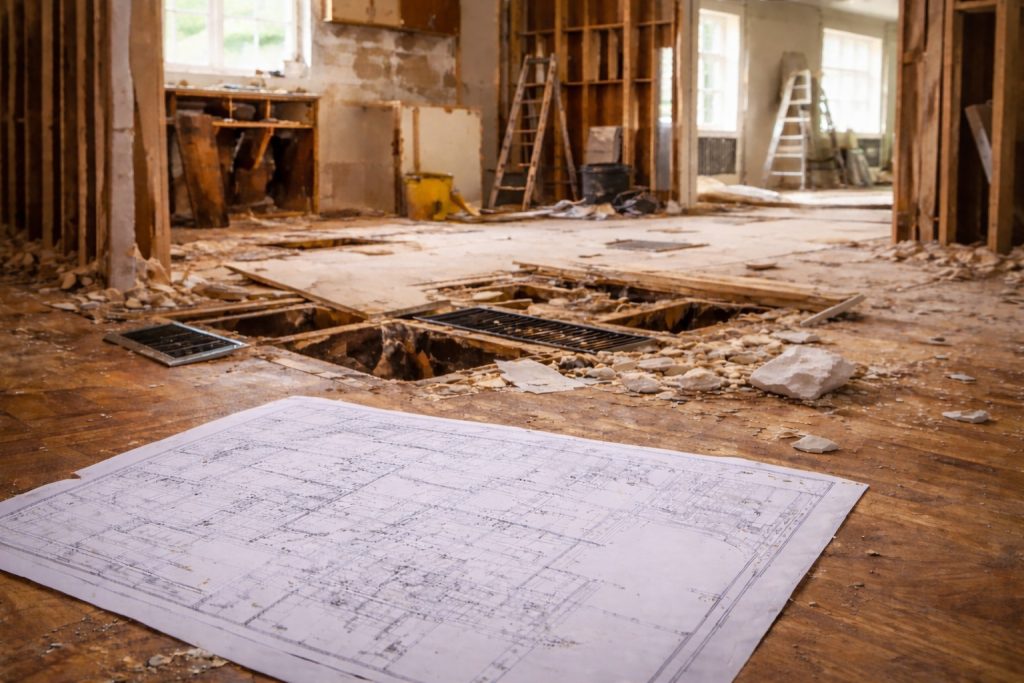
Renovation projects often involve working within existing structures. Unlike building a new home from the ground up, renovations require contractors to work around older materials, hidden plumbing, electrical systems, and structural components that may not be visible until demolition begins.
As walls, ceilings, and flooring are opened, contractors may discover issues that were impossible to see during the initial inspection. These discoveries can affect both the timeline and cost of the project.
Some hidden costs are related to the age of the home, while others arise from outdated building practices or previous repairs.
Understanding these potential challenges can help homeowners prepare realistic renovation budgets.
Electrical systems in older homes may not meet current safety standards or support modern appliances and lighting.
Common electrical upgrades discovered during renovations include:
• outdated wiring systems
• insufficient electrical capacity
• missing grounding systems
• overloaded circuits
Renovation projects involving kitchens, bathrooms, and additional living spaces often require electrical upgrades to support new appliances, lighting, and safety requirements.
Updating electrical systems ensures the home meets modern building codes and improves long-term safety.
Structural problems are one of the most significant unexpected costs that can arise during a renovation.
Older homes may have framing that has shifted over time, weakened floor joists, or modifications made by previous owners that do not meet modern building standards.
Examples of structural issues that may appear during renovations include:
• sagging floor joists
• weakened support beams
• damaged framing
• previous structural modifications done incorrectly
If structural problems are discovered, repairs may require engineering assessments and reinforcement work to ensure the home remains safe and compliant with building codes.
Electrical systems in older homes may not meet current safety standards or support modern appliances and lighting.
Common electrical upgrades discovered during renovations include:
• outdated wiring systems
• insufficient electrical capacity
• missing grounding systems
• overloaded circuits
Renovation projects involving kitchens, bathrooms, and additional living spaces often require electrical upgrades to support new appliances, lighting, and safety requirements.
Updating electrical systems ensures the home meets modern building codes and improves long-term safety.
Hidden plumbing issues are another common surprise during home renovations.
Once walls and flooring are opened, contractors may discover problems such as:
• corroded pipes
• outdated plumbing materials
• leaks behind walls
• improperly installed drainage systems
Older homes sometimes contain galvanized steel pipes or aging plumbing materials that should be replaced during renovations.
Addressing plumbing issues early helps prevent costly repairs later.
Moisture damage can occur in areas such as bathrooms, kitchens, and basements. Water leaks from old pipes, poorly sealed showers, or roof issues can lead to hidden damage behind walls.
Signs of water damage discovered during renovations may include:
• mold growth
• rotted wood framing
• damaged drywall
• insulation deterioration
If moisture issues are found, contractors must address the source of the problem before continuing with construction. Mold remediation and structural repairs can add to renovation costs.
Many renovation projects require building permits and inspections from local municipalities. Permits ensure that construction meets safety standards and local building regulations.
Permits may be required for:
• structural changes
• electrical work
• plumbing modifications
• basement suites
• additions or expansions
Permit fees, engineering requirements, and inspection timelines can sometimes increase project costs and extend renovation schedules.
Homeowners should discuss permit requirements with their contractor during the planning phase.
Material costs can fluctuate due to supply chain issues, manufacturing delays, and changes in demand.
Construction materials that may experience price fluctuations include:
• lumber and framing materials
• cabinetry and millwork
• tile and flooring
• appliances and fixtures
Ordering materials early and working with contractors who plan ahead can help reduce the risk of unexpected cost increases.
One of the most common reasons renovation budgets increase is when homeowners change project plans after construction has begun.
Examples of design changes include:
• upgrading to more expensive materials
• changing layouts or room configurations
• adding additional features
• modifying lighting or cabinetry plans
While design adjustments are sometimes necessary, making decisions early in the planning phase helps avoid additional costs.
For large renovations, homeowners may need to adjust their living arrangements during construction.
This may involve:
• temporary kitchen setups
• renting alternative accommodations
• additional cleaning and preparation costs
While these costs are not directly part of construction, they can still affect the overall renovation budget.
Although hidden renovation costs cannot always be avoided, homeowners can take several steps to reduce the risk of unexpected expenses.

Most renovation professionals recommend setting aside 10–20% of the renovation budget as a contingency fund.
This allows homeowners to address unexpected issues without delaying the project.
Before starting construction, experienced contractors often perform detailed inspections to identify potential issues early.
This may include:
• reviewing structural components
• assessing electrical systems
• inspecting plumbing
• evaluating moisture risks
Identifying potential problems early helps create a more accurate renovation budget.
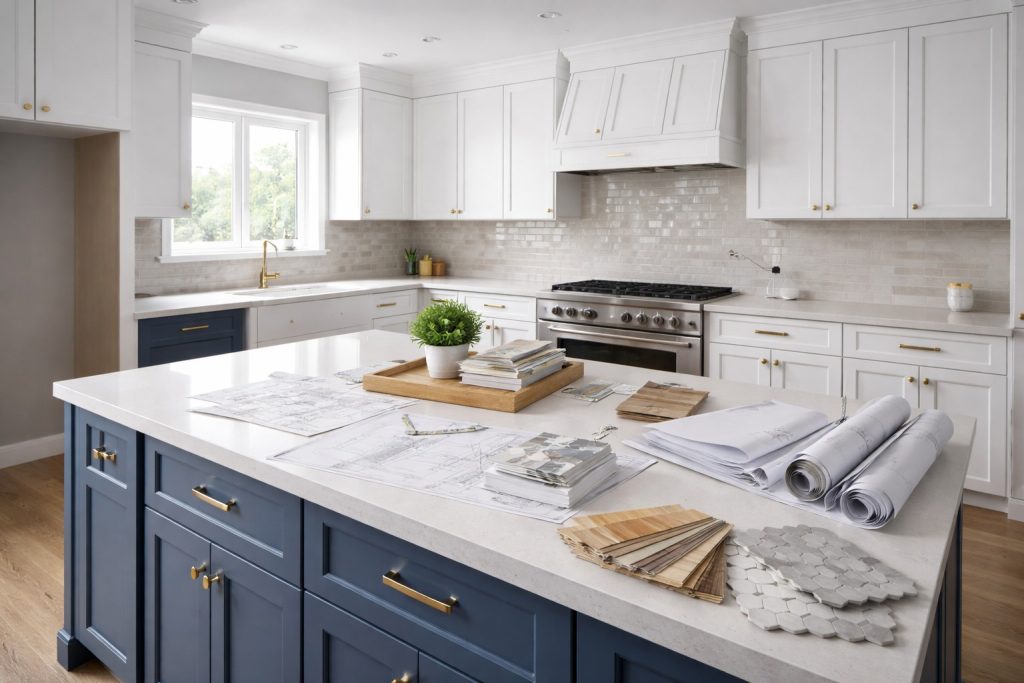
Choosing materials, finishes, and layouts before construction begins helps prevent costly changes later.
This includes selecting:
• cabinetry styles
• flooring materials
• appliances
• lighting fixtures
• tile and countertops
Clear design plans help contractors coordinate trades and manage project timelines effectively.
Experienced contractors understand the challenges of working with existing homes and can anticipate potential issues before construction begins.
Professional renovation teams help ensure that projects:
• meet building code requirements
• follow safe construction practices
• stay organized and on schedule
• maintain clear communication with homeowners
Working with knowledgeable professionals is one of the best ways to avoid renovation surprises.
Most contractors recommend setting aside 10–20% of the total renovation budget to cover unexpected issues that may arise during construction.
Yes. Because renovations involve working within existing structures, it is common to discover issues such as outdated wiring, plumbing problems, or structural repairs once demolition begins.
While experienced contractors can identify many potential issues during the planning stage, some hidden problems only become visible once construction begins.
Older homes can still be excellent renovation candidates. However, homeowners should be prepared for potential upgrades to electrical, plumbing, and structural components.
Home renovations can significantly improve comfort, functionality, and property value. However, it’s important for homeowners to understand that unexpected costs can sometimes arise during construction.
By planning carefully, building a contingency budget, and working with experienced professionals, homeowners can reduce the risk of budget surprises and ensure their renovation project proceeds smoothly.
Proper preparation helps transform renovation challenges into manageable steps toward creating a home that better meets your needs.